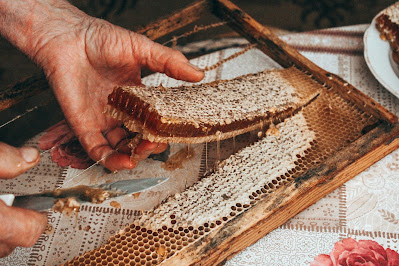


When you think of sweeteners and diabetes, honey might not be the first thing that comes to mind. But raw honey—unprocessed, unheated, and straight from the hive—offers unique healing benefits that could support blood sugar balance and overall health in diabetics.
Unlike refined sugar, which causes rapid blood sugar spikes, raw honey contains antioxidants, enzymes, and trace minerals that may provide anti-inflammatory and metabolic benefits.
How Raw Honey Differs from Processed Honey
Most store-bought honey has been heated and filtered, stripping it of its natural enzymes, pollen, and nutrients. Raw honey, on the other hand, retains its full spectrum of health benefits, including:
 Natural enzymes that aid digestion
Antioxidants that help combat oxidative stress
Prebiotics that promote gut health
Trace minerals like zinc and magnesium, which support metabolic function
If you're considering using honey in a diabetes-friendly diet, opt for raw, unfiltered varieties like Nature Nate’s 100% Pure, Raw & Unfiltered Honey for the most nutritional value.
 Can Diabetics Eat Raw Honey?
While honey is still a sugar, its impact on blood glucose levels depends on how it’s consumed. Raw honey has a lower glycemic index (GI) than white sugar, meaning it raises blood sugar more slowly. Studies suggest that small amounts of raw honey may:
 Improve insulin sensitivity
Reduce inflammatory markers linked to diabetes
Support gut health, which plays a role in blood sugar regulation
For those looking to naturally balance blood sugar, understanding how to use low-GI sweeteners is key.
 Honey as a Natural Anti-Inflammatory
Inflammation plays a huge role in diabetes complications, from neuropathy to heart disease. Raw honey contains polyphenols, which act as natural anti-inflammatory agents. In fact, certain varieties like Manuka honey have been studied for their potential to:
 Reduce oxidative stress
Promote wound healing (great for diabetics with slow-healing wounds!)
Support immune function
For maximum healing benefits, try Wedderspoon Raw Manuka Honey—one of the most potent honeys for antibacterial and anti-inflammatory properties.
How to Incorporate Raw Honey in a Diabetes-Friendly Diet
If you’re managing diabetes but want to enjoy the benefits of raw honey, moderation is essential. Here are some safe ways to incorporate it into your diet:
 Pair with healthy fats & protein – Adding honey to Greek yogurt or nut butter can help slow glucose absorption.
 Use as a dressing – Mix raw honey with apple cider vinegar for a blood sugar-friendly dressing.
 Stir into herbal tea – Instead of sugar, add a teaspoon of honey to cinnamon tea, which may enhance insulin sensitivity.
 Blend into smoothies – Combine honey with low-GI fruits, protein, and fiber for a nutrient-rich meal.
Who Should Avoid Raw Honey?
While raw honey has potential benefits for diabetics, it’s not suitable for everyone. You should avoid it if:
 You have severe insulin resistance or uncontrolled diabetes
You experience frequent blood sugar spikes
You have allergies to bee products
If you’re unsure, talk to your healthcare provider before making changes to your diet.
Final Thoughts
Raw honey can be a powerful natural remedy for diabetics when used in moderation. It offers anti-inflammatory, gut-healing, and metabolic benefits, making it a better alternative to refined sugars.
But as with any sweetener, portion control and blood sugar monitoring are key!
 Need Personalized Nutrition Advice?
For personalized content and freelance writing services, contact me at admin@healthyspell.com